
Incentive Policy
Tesla Filed With the State in July. Fort Bend Said Yes in September.
September 22, 2026
Most coverage of a big incentive story stops at the state filing. A company applies, the headlines run, and the story reads like the deal is done. It isn't. The state qualifies a project. A local taxing entity, in this case a school district, still has to vote yes on its own before that incentive means anything.
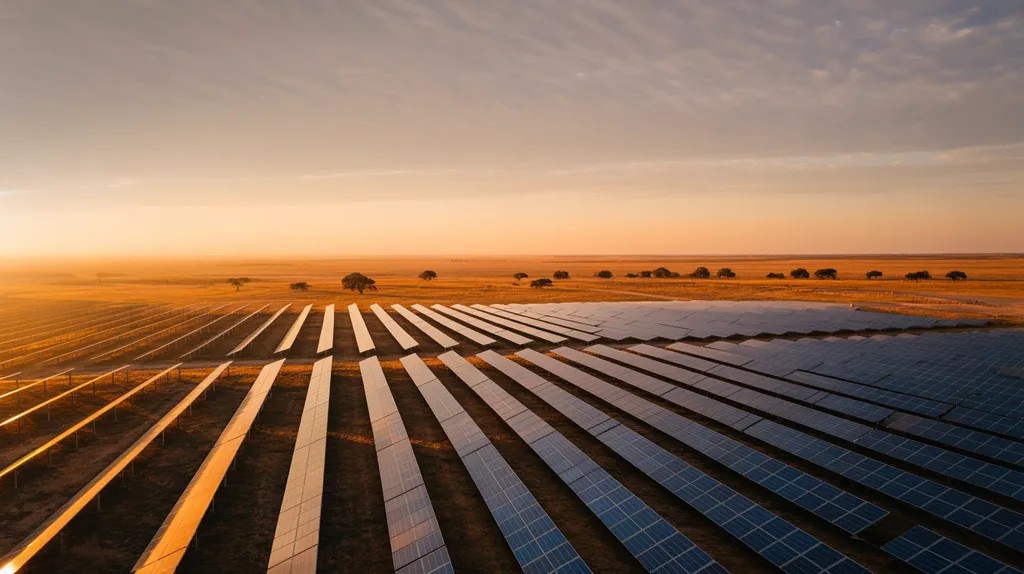
Tesla filed with the Texas Comptroller on July 22 for a project code-named Crystal Sun: a proposed solar cell and module plant on roughly 3,050 acres near Richmond, in Fort Bend County, the district I represented in the Legislature for four years. The filing became public on August 6. Total investment: $10.1 billion, split between about $1.5 billion in real property and $8.6 billion in manufacturing equipment. Tesla's own filing put the permanent headcount at 9,712 jobs once the plant is running, with commercial production targeted for the first quarter of 2029.
On September 16, Lamar Consolidated ISD's board of trustees voted 7-0 to approve the actual incentive: a temporary limitation on the taxable value of that property for the district's maintenance and operations budget, running from 2029 through 2038. That's the JETI mechanism working exactly as designed. The state reviews eligibility. The school district decides, with real numbers in front of it and no obligation to say yes, whether the trade is worth making. Fort Bend's board looked at those numbers and said yes unanimously.
Tesla's own filing argued that without the abatement, the Fort Bend site's economics were worse than a competing out-of-state location. Independent estimates put the project's full impact at $107 billion in Texas GDP and $6.4 billion in state and local tax revenue over a 38-year horizon. None of that happens without the local vote going Tesla's way first.
I sat on the House committees that oversee these programs. The state doesn't hand out incentives. It sets the terms for a negotiation that still has to happen locally, in a room with elected officials asking real questions about their own district's budget. Fort Bend answered theirs with a unanimous yes. That's the vote that built a $10 billion plant, not the filing that made the headline.
Jacey Jetton, Founder & CEO, Jetton Solutions
Sources